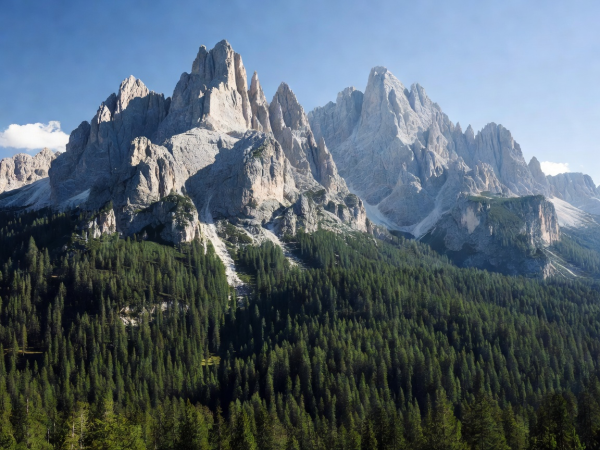
Erosion Patterns
Notice the vast scree slopes at the base of dolomite walls, evidence of ongoing mechanical weathering caused by freeze-thaw cycles expanding water trapped within the porous rock.
High-altitude environments demand physical engagement. Mountains resist quick surveys; their character is best understood through the deliberate pace of walking, where one can observe shifts in the timberline, isolated plant species, and raw geological stratification.
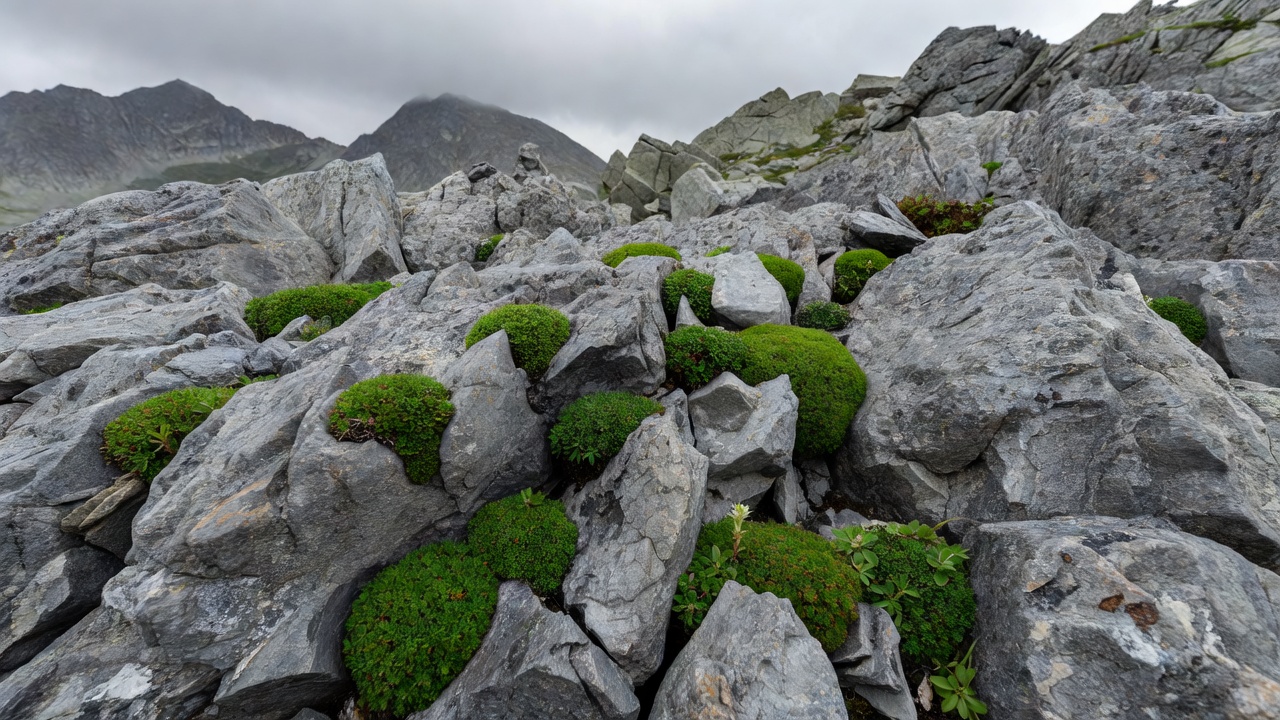
Above the pastoral valleys, the Swiss Alps present a harsh, short-seasoned environment where only highly adapted flora survive. Observers walking above 2,000 meters can identify species such as the Alpine Aster or the Edelweiss, distinguished by dense, woolly hairs that protect against ultraviolet light and prevent moisture loss. The presence of these specific plants marks the transition from habitable agricultural land to the stark alpine tundra.
In contrast to the predominantly granite peaks of the western Alps, the Italian Dolomites are composed of a specific carbonate rock (dolostone) originating from ancient fossilized coral reefs. This mineral composition is responsible for the phenomenon known as enrosadira (alpenglow), where the pale grey faces of the mountains take on vibrant pink and violet hues at dawn and dusk. The structural weathering of this rock produces sharp pinnacles and sheer vertical drops, creating a highly textured and fragmented horizon quite unlike the massive, rounded shoulders of older mountain ranges.
Mountain geology does not merely shape the view; it dictates the layout of the valleys, the routes of the passes, and the resilience required of both flora and human settlements.
Notice the vast scree slopes at the base of dolomite walls, evidence of ongoing mechanical weathering caused by freeze-thaw cycles expanding water trapped within the porous rock.
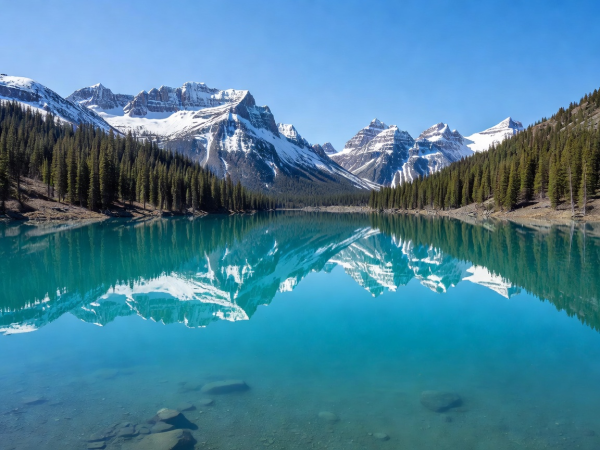
The intense, opaque turquoise color of many alpine lakes originates from 'rock flour'—microscopic particles of rock ground down by glacial movement and suspended in the meltwater.
Your privacy choices Essential cookies keep this site working. Optional ones help us see what is useful. You can change your choice at any time. More about cookies