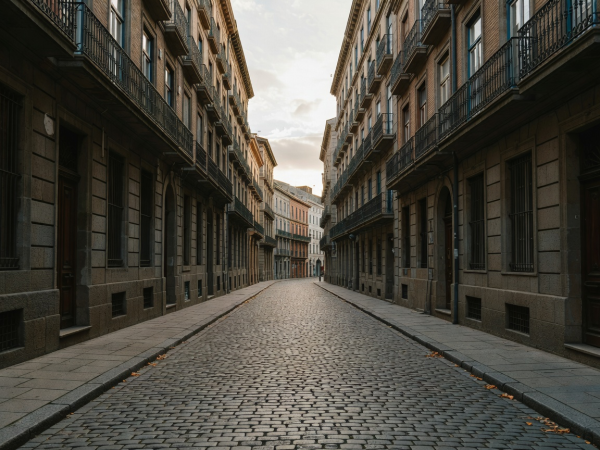
Cities
Urban landscapes defined by centuries of varied architectural layers and daily rhythms.
Read moreLooking closely at stonework, coastal textures, and alpine paths reveals more about a region than a map alone can show. Begin crafting an itinerary grounded in authentic observation.
Explore Places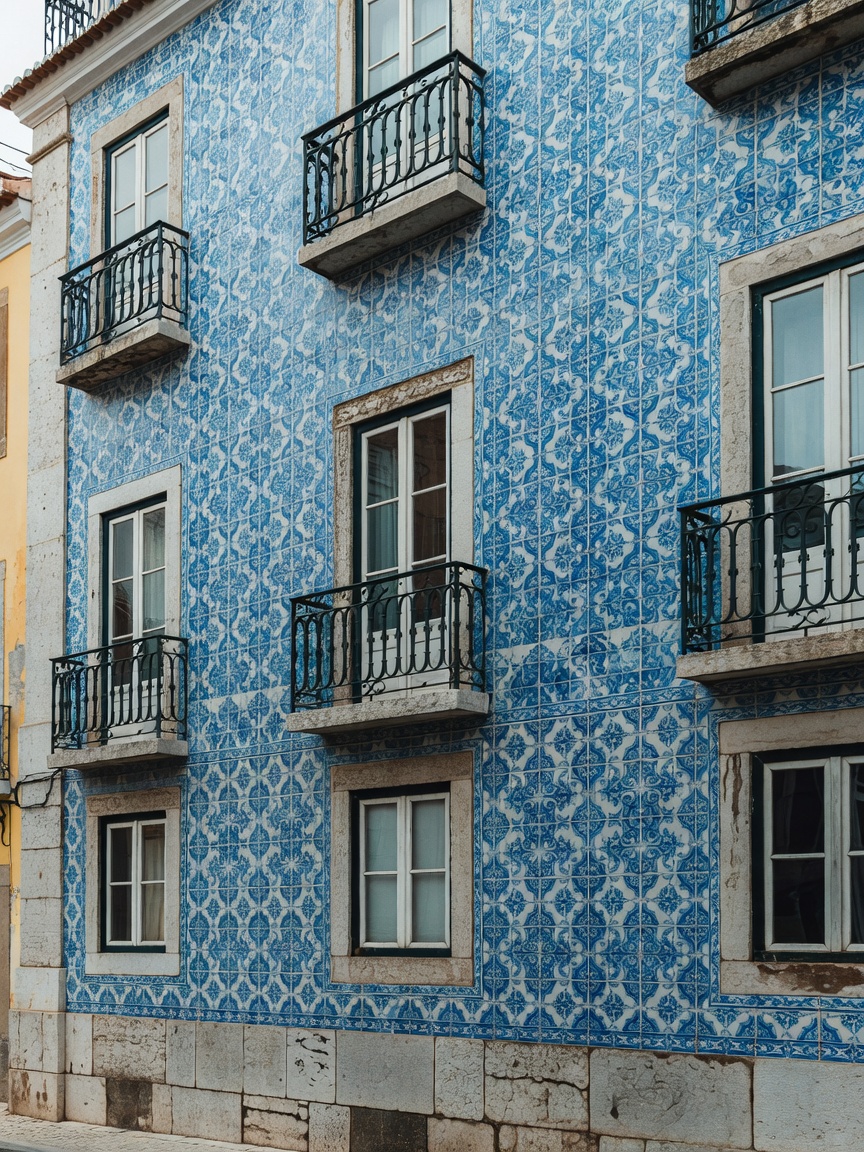
When selecting destinations for a first or second European itinerary, the instinct is often to compile a list of notable monuments. However, travel is lived on a smaller scale: the texture of the pavement, the angle of the light in a narrow alley, the specific species of flora framing an alpine view. By observing these specifics, independent travellers can identify locations that genuinely match their pace and interests.
This atlas breaks down broader regions by isolating the tangible details that define their character, allowing for practical and measured comparisons.
Urban landscapes defined by centuries of varied architectural layers and daily rhythms.
Read more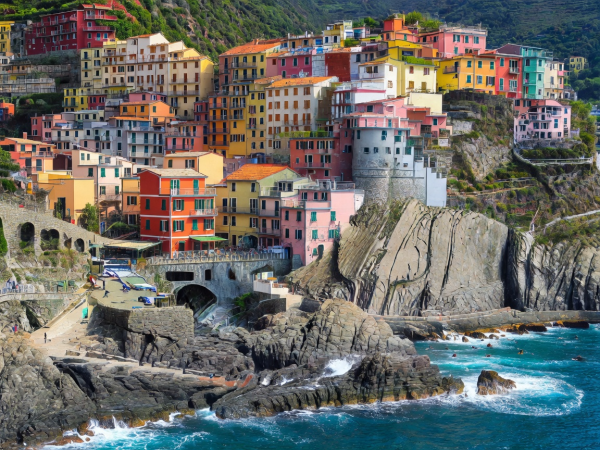
Harbours, cliffs, and the specific geology that shapes life beside the Mediterranean and Atlantic.
Read more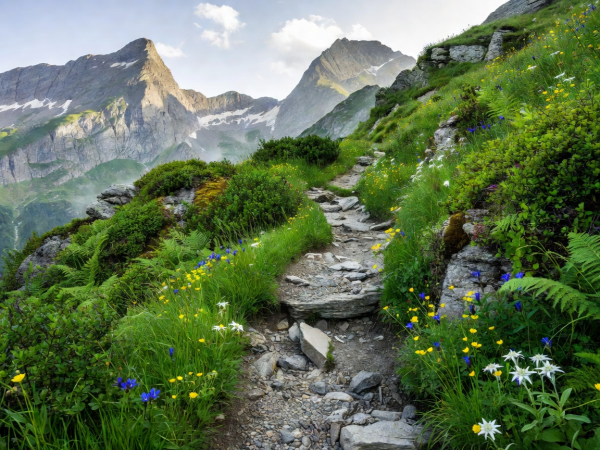
High-altitude environments approached at a walking pace, noting distinct geological formations.
Read moreSelected profiles based on verified structural character rather than seasonal promotions. These locations reward measured observation.
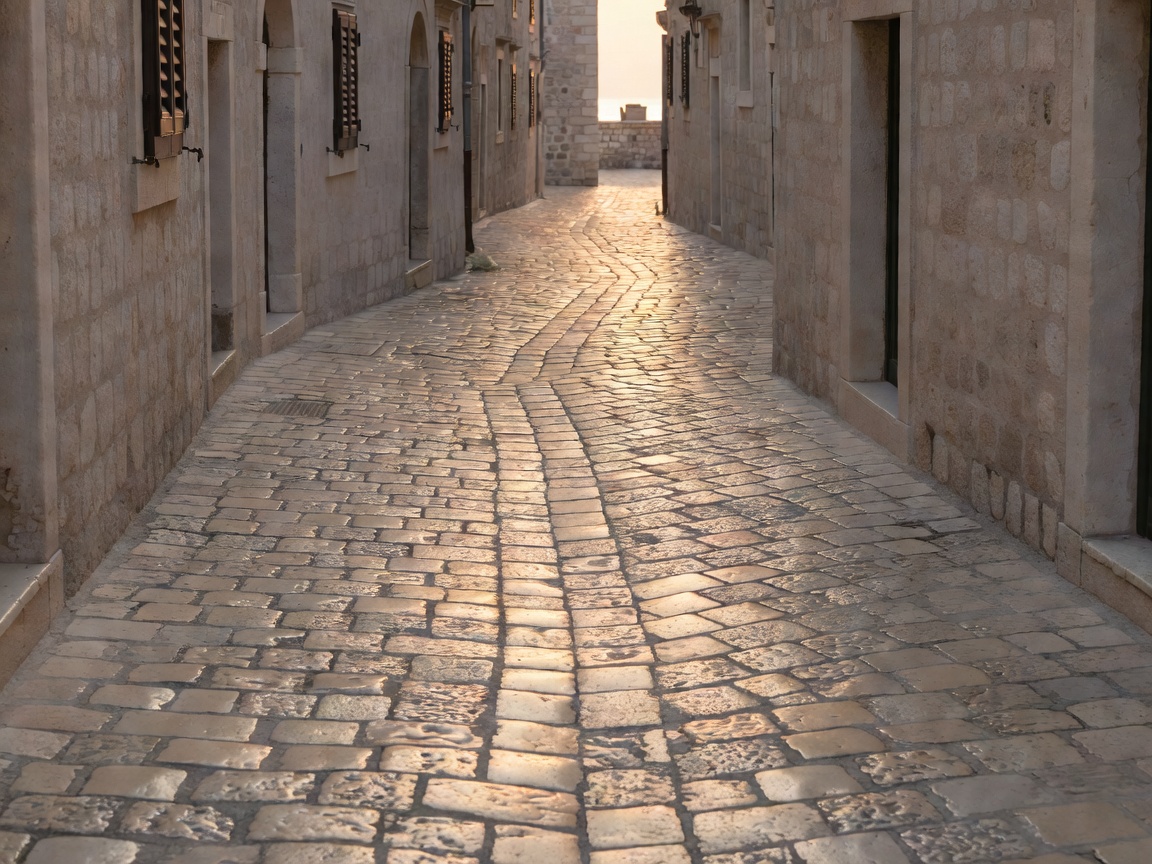
The main thoroughfare, Stradun, is paved with limestone that has been polished by centuries of foot traffic. This specific material reflects light in a way that visibly brightens the enclosed, walled city structure.
Explore Heritage Details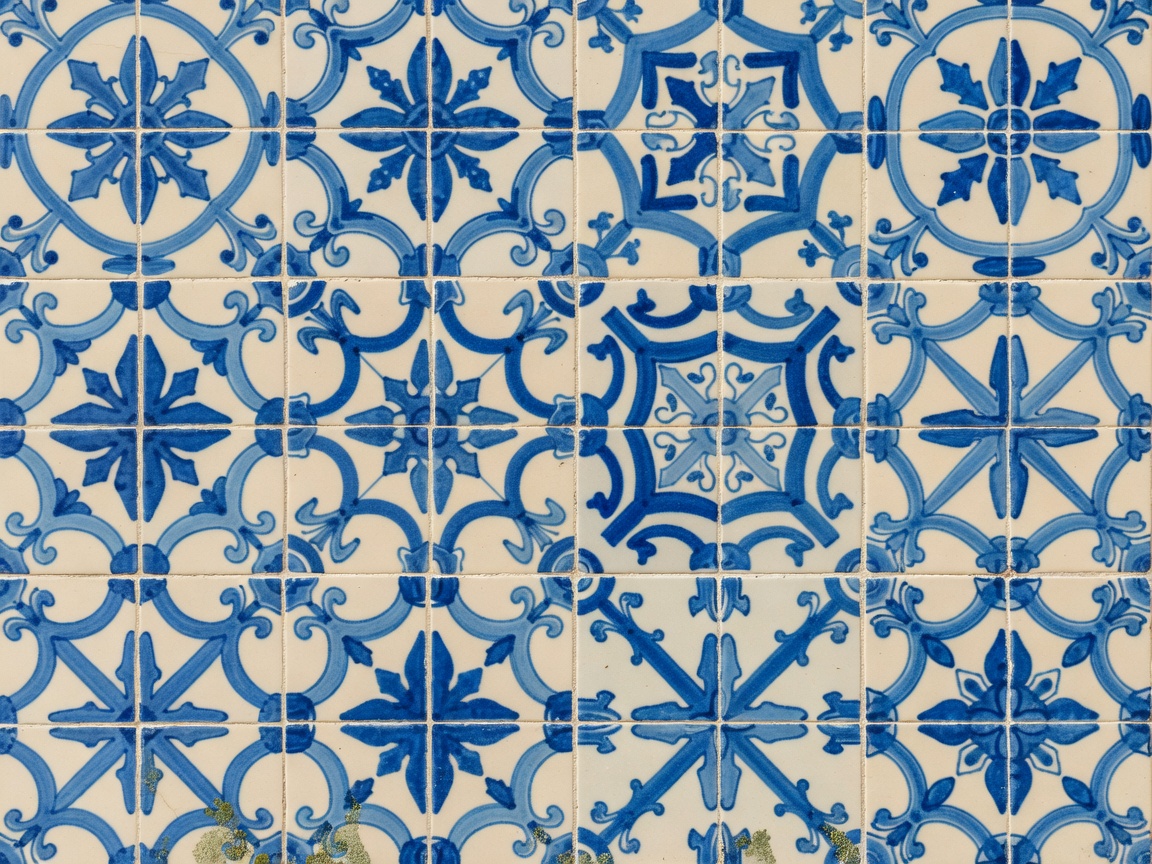
Beyond aesthetic decoration, the ceramic tiles blanketing Lisbon's building exteriors serve a practical purpose: protecting masonry from damp coastal air and regulating interior temperatures during intense summer heat.
Explore Urban DetailsA practical look at common logistical uncertainties.
Geographically possible, but practically strained. Distances may appear brief on a map, but the nature of coastal cliffs and alpine passes means transit times are extensive. A more measured approach focuses entirely on one distinct topography per week.
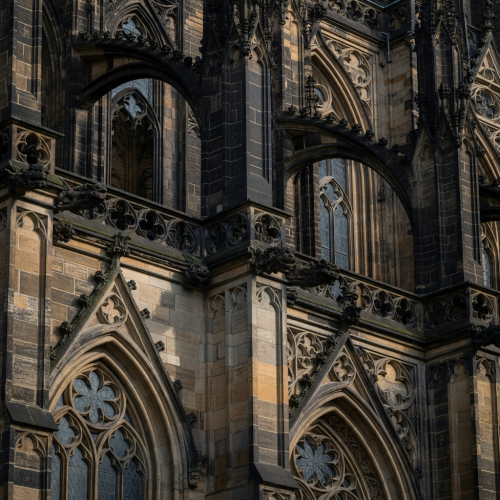
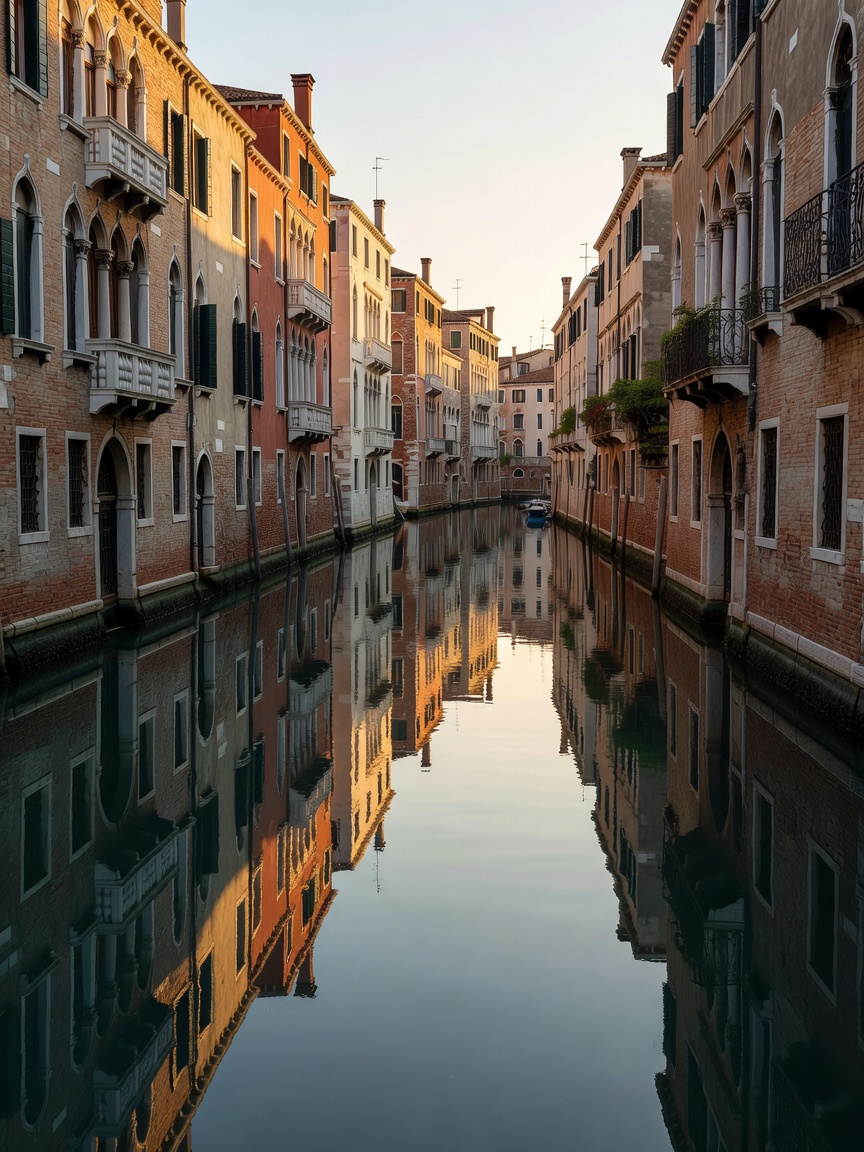
Many medieval cores, notably in Venice and older sections of Prague, retain their original cobblestone or stepped infrastructure. While main arteries often have modifications, peripheral alleys require navigating uneven, authentic surfaces.
Nordjoltsprgg maintains independence by focusing on enduring physical realities rather than fleeting travel trends. We rely on public historical records, verified geological and architectural texts, and strict geographic observation to present unembellished destination profiles. We are not affiliated with tourism boards or booking agencies.
Read our Editorial LensYour privacy choices Essential cookies keep this site working. Optional ones help us see what is useful. You can change your choice at any time. More about cookies